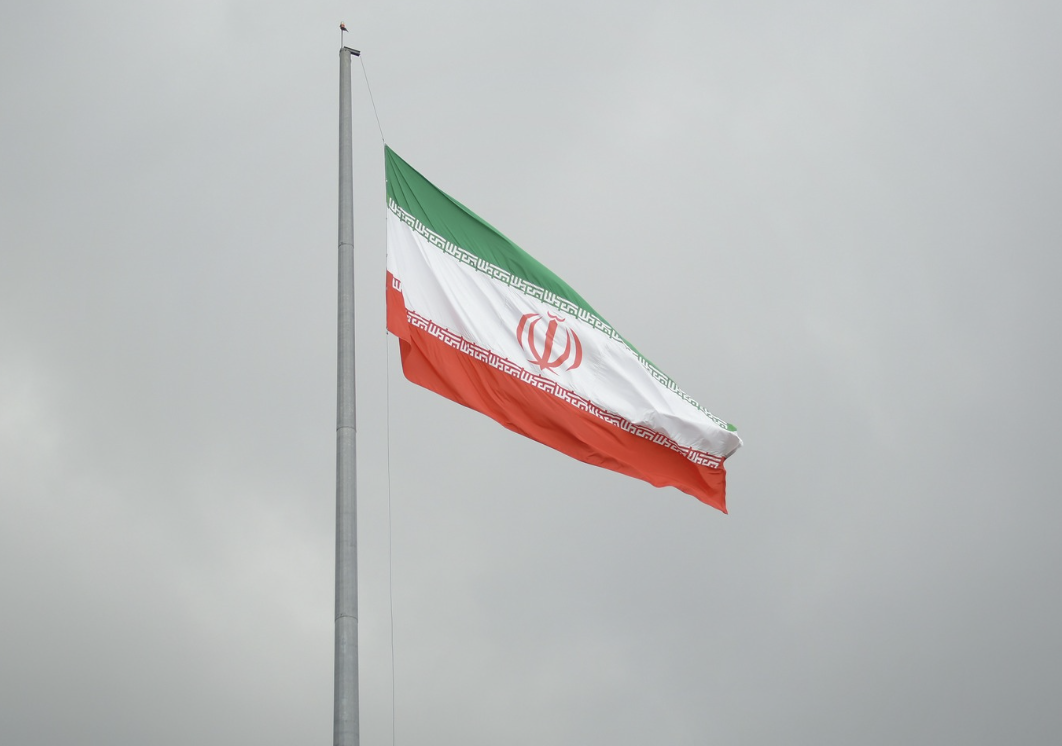
Iranian Protests Contextualised: Causes, Consequences and the Global Response
Introduction
Protests in Iran began on the 28th December 2025, fueled by anger towards the gloomy economic outlook [1]. This has led to an estimated ~4000 deaths already per the Human Rights Activists News Agency (“HRANA”) [2]. It is further predicted to be the largest uprising since the Islamic Revolution in 1979, which saw the ousting of former ruler Mohammad Reza Pahlavi [2]. This article will examine the situation in Iran, on top of the wider global response.
What caused the protests?
On the 28th December 2025, shopkeepers and bazaar merchants gathered to protest after the Iranian rial reached new lows against the US dollar [2]. This has led to an inflation rate nearing 40%, with the price for essential goods such as meat, rice and cheese soaring [2].
The Iranian economy has been on the decline for many years [2]. However, Trump’s 2018 decision marked a significant event that aggravated the issue, as the president imposed harsh US trade sanctions on the country and its trading partners [2][3]. UN sanctions being resinstated in 2025 were further damaging [2]. This not only limited Iranian oil exports, a crucial source of business, but significantly damaged the currency which resulted in inflation [4]. Recently, Israel and the US executing raids on Iran in June 2025 had worsened the state of the economy [2]. Beyond the financial aspects, protests soon extended to encompass citizens’ political discontent towards the current regime [2]. Moreover, participants in the protests extended to Iranian university students and other citizens [5].
The situation in Iran
The scale of protests saw fluctation in 2026, with the peak thought to be around 7-8 January when the Iranian government restricted access to the internet, and foreign news agencies were restricted from Iran [5]. By 12 January there had been protests documented in 186 cities per the HRNA, proving the widespread impact of the issue [2]. Minority groups such as the Kurdish were also said to have joined in [2]. From 11-13 January over 18,000 people had been arrested, with an estimated ~4000 deaths predicted to have arisen so far per the Human Rights Activists News Agency (HRANA), although predictions vary [6][2]. The UN Special Rapporteur on Iran Mai Sato has reported estimates closer to a minimum of 5,000, with casualties potentially even reaching 20,000 [7]. Reports of extensive state violence were documented, with security forces firing directly at protestors [8]. By mid-January, the protests were largely thought to have ended according to the Instititute for the Study of War [5]. Although, tens of thousands of citizens are still under arrest, with those accused of supporting the protests having their business assets seized, and being pursued for purported terrorism [9].
Domestic implications
Although the protests have largely subsided, the economic unrest is yet to be resolved [10]. Iranian businesses are either shut or partially operating, with merchants reluctant to sell
because of persistently high exchange rates making it difficult to replace stock. Consumer purchasing power is also set to drop, with the government replacing subsidised exchange rates with monthly stipends for citizens. As these monthly stipends do not fully account for the increasing costs for goods, consumer expenditure will likely decrease. With businesses not selling and individuals not buying, the economy could continue to suffer [10].
The protests have also worsened the economic state [11]. The internet blackout amidst the protests has impacted businesses who operate online, relying on virtual platforms for advertising and sales. Moreover, the widespread destruction of property, including public buses, mosques, ambulances is another significant cost that the government will have to direct funds towards. Economic researcher Saeed Laylaz predicts that this could increase the budget deficit, potentially causing the government to print more money. This could increase inflation rates and weaken the rial. Also, the protests signalling political instability will likely reduce demand for the rial, as investors exit Iranian assets. The Iranian economy is under strain, requiring action from the government and central bank [11].
Global implications
The UK Foreign Secretary has condemned Iranian state violence, issuing a joint statement with Germany and France to protect the right to protest, and with G7 countries to criticise the violence [5]. The US has also gotten involved, with President Trump on the side of protestors and pledging to “rescue” them [2]. The UN rights body further censured Iran for the human rights violations committed during the protests, with High Commissioner Volker Turk declaring the situation a “brutal repression” [12]. China and Russia have criticised the outside intervention into Iranian matters [5].
This global response has extended to trade sanctions, with the US imposing 25% tariffs on countries engaging in business with Iran as of January 13 [2]. Trump further placed sanctions on the ‘shadow fleet’, nine vessels of Iranian oil and petroleum shipped to global markets [13]. Moreover, the UK government, alongside the European Union and other countries, had announced plans to hasten legislation that enforces further sanctions against Iran [5]. This targets finance, energy and transport, amongst other industries that have helped strengthen Iran’s nuclear capabilities [5]. This could further harm Iran and its economy, limiting businesses that engage in foreign trade within various industries (particularly oil), which proves a repercussion of the government’s violent approach to protestors.
Next steps for Iran
The Iranian regime is widely expected to survive, albeit with a substantially weakened position both domestically and regionally [5]. Analysts argue that to remain in power, the government must be willing to introduce significant economic reform that addresses citizens' pressing concerns [5].
To bolster their economic prospects, the Iranian government could negotiate agreements with major powers, particularly the US, to secure sanctions relief [9]. Although, this would likely involve compromising on their foreign policy including their nuclear programme, ballistic
missiles and their regional support. The Iranian Supreme Leader seems hesitant on altering Iran’s approach to the latter two elements, but could be influenced by the US and other states. This is due to Israeli attacks on Iran and other regional actors such as Syria, making the state increasingly cautious to weaken their Middle Eastern network. Trump has indicated that he is open to discourse with Iran, leaving open the possibility for negotiations [9].
Furthermore, the government must take measures to strengthen the economy [14]. Firstly, they can support struggling households by issuing further cash transfers and online vouchers, alleviating the pressure of reduced purchasing power. Another suggestion is fiscal consolidation, which can reduce the budget deficit by controlled spending. Alongside granting the central bank increased independence to set inflation targets, these measures will help strengthen the currency. Moreover, reducing its dependency on limited sectors (such as oil) and supporting domestic production can make Iran less vulnerable to external policies, such as through trade sanctions [14].
Conclusion
The 2025-26 Iranian protests have demonstrated how the combination of growing political and economic unrest can cause civilians to take action, echoing the sentiment of the 1979 Islamic Revolution. The government’s response led to thousands of deaths and arrests being made, garnering international condemnation. Countries have taken to trade sanctions to reprimand the Iranian authorities, further straining the Iranian economy. To alleviate these trade sanctions, agreements can be struck with other nations, which could involve concessions on foreign policy.
Bibliography
[1] Pakzad S, ‘Iran Protests: Eyewitness Tells of People Getting Shot’ (BBC News, 23 January 2026) <https://www.bbc.co.uk/news/articles/c9dvvzzpwylo.amp> accessed 26 January 2026
[2] ‘Why Are People Protesting in Iran? Everything You Need to Know’ (Sky News, 19 January 2026) <https://news.sky.com/story/why-are-people-protesting-in-iran-everything-you-need-to-know-13490639> accessed 26 January 2026
[3] Afary J, Avery PW and Mostofi K, ‘Iran’ (Brittanica ) <https://www.britannica.com/place/Iran/Nuclear-deal-falters> accessed 26 January 2026
[4] Isfahani DS, ‘Iran: The Double Jeopardy of Sanctions and COVID-19’ (Brookings) <https://www.brookings.edu/articles/iran-the-double-jeopardy-of-sanctions-and-covid-19/> accessed 26 January 2026
[5] Loft P, ‘Iran Protests 2026: UK and International Response’ (House of Commons, 19 January 2026) <https://commonslibrary.parliament.uk/research-briefings/cbp-10462/> accessed 26 January 2026
[6] Berg R and Gritten D, ‘Why Are There Protests in Iran and What Has Trump Said about Us Action?’ (BBC News, 12 January 2026) <https://www.bbc.co.uk/news/articles/cgjw8wxl3d6o> accessed 26 January 2026
[7] ‘The UN Special Rapporteur Discusses Allegations of Crimes against Humanity in Iran.’ (ABC News, 19 January 2026) <https://www.abc.net.au/news/2026-01-20/un-rapporteur-on-allegations-of-crimes-against-humanity-in-iran-/106247870> accessed 26 January 2026
[8] Assadi R and Namjoo S, ‘Iran Protests: Eyewitnesses Describe Deadly Crackdown across Country’ (BBC News, 12 January 2026) <https://www.bbc.com/news/articles/cvgp70ynx1po.amp> accessed 26 January 2026
[9] Pietromarchi V, ‘“Change Is Inevitable”: What is next for Iran?’ (Al Jazeera, 24 January 2026) <https://www.aljazeera.com/news/2026/1/24/change-is-inevitable-what-is-next-for-iran> accessed 26 January 2026
[10] Sinaiee M, ‘Tehran Quelled Street Protests but Economic Troubles Persist’ (Iran International, 23 January 2026) <https://www.iranintl.com/en/202601238275> accessed 29 January 2026
[11] ‘Iran Counts Its Losses Following Recent Protests’ (Khaberni, 20 January 2026) <https://www.khaberni.com/news/773453-iran-counts-its-losses-following-recent-protests> accessed 29 January 2026
[12] Farge E and Le Poidevin O, ‘Un Rights Body Censures Iran’s “brutal Repression” of Protests | Reuters’ (Reuters, 25 January 2026) <https://www.reuters.com/world/middle-east/un-rights-body-holds-emergency-session-irans-protest-crackdown-2026-01-23/> accessed 26 January 2026
[13] Psaledakis D and Gardner T, ‘US Targets Iran’s “Shadow Fleet” over Crackdown on Protesters ’ (Reuters, 23 January 2026) <https://www.reuters.com/world/middle-east/us-targets-irans-shadow-fleet-over-crackdown-protesters-2026-01-23/> accessed 26 January 2026
[14] Ketabi P, ‘Inflation, Poverty, and Policy Pathways to Inclusive Growth in Iran ’ (IISD SDG Knowledge Hub, 17 December 2026) <https://sdg.iisd.org/commentary/guest-articles/inflation-poverty-and-policy-pathways-to-inclusive-growth-in-iran/> accessed 29 January 2026
Image Credits
Sina Drakhshani on Unsplash <https://unsplash.com/photos/a-flag-flying-in-the-wind-on-a-cloudy-day-b5fUPypDU2E>