

Infiltration of the Courts
Daniel Ellsberg, Edward Snowden and Chelsea Manning: A string of America whistle-blowers, all exposing to light the top-secret, unconstitutional conduct of the American Government. To add to this list, is the more recent case of Julian Assange. Charged with criminal theft of Governmental secrets, his case exposes just how immune our courts are to the winds of political rhetoric.

Allegro.eu record IPO
Last month, Allegro.eu, which is owned by the private equity firms Cinven, Permira, and Mid Europa Partners, announced its initial public offering. The leading Polish online marketplace sent shockwaves throughout the European economy as it raked in USD 11.2 billion on its first day as a publicly traded company.


‘Can I Abort My Government?’ – The Story of Poland’s Recent Constitutional Crisis
Over the past week, hundreds of thousands of Poles have been marching all over the country and abroad in protest against the Constitutional Tribunal’s ruling which imposed a virtually complete ban on abortion. Demonstrators have disrupted the functioning of most major cities by blocking roads and bridges whilst vocalising a variety of anti-government slogans.


What to do when your company has been affected by Covid-19
Covid-19 has spread all over China, preventing companies from performing their contractual obligations and has left them wondering if they are permitted to escape their obligations of payment or penalty fees without legal liability. This note explores if companies would be able to rely on legal mechanisms such as force majeure or hardship clauses to mitigate liabilities caused by the failure to perform contractual obligations.
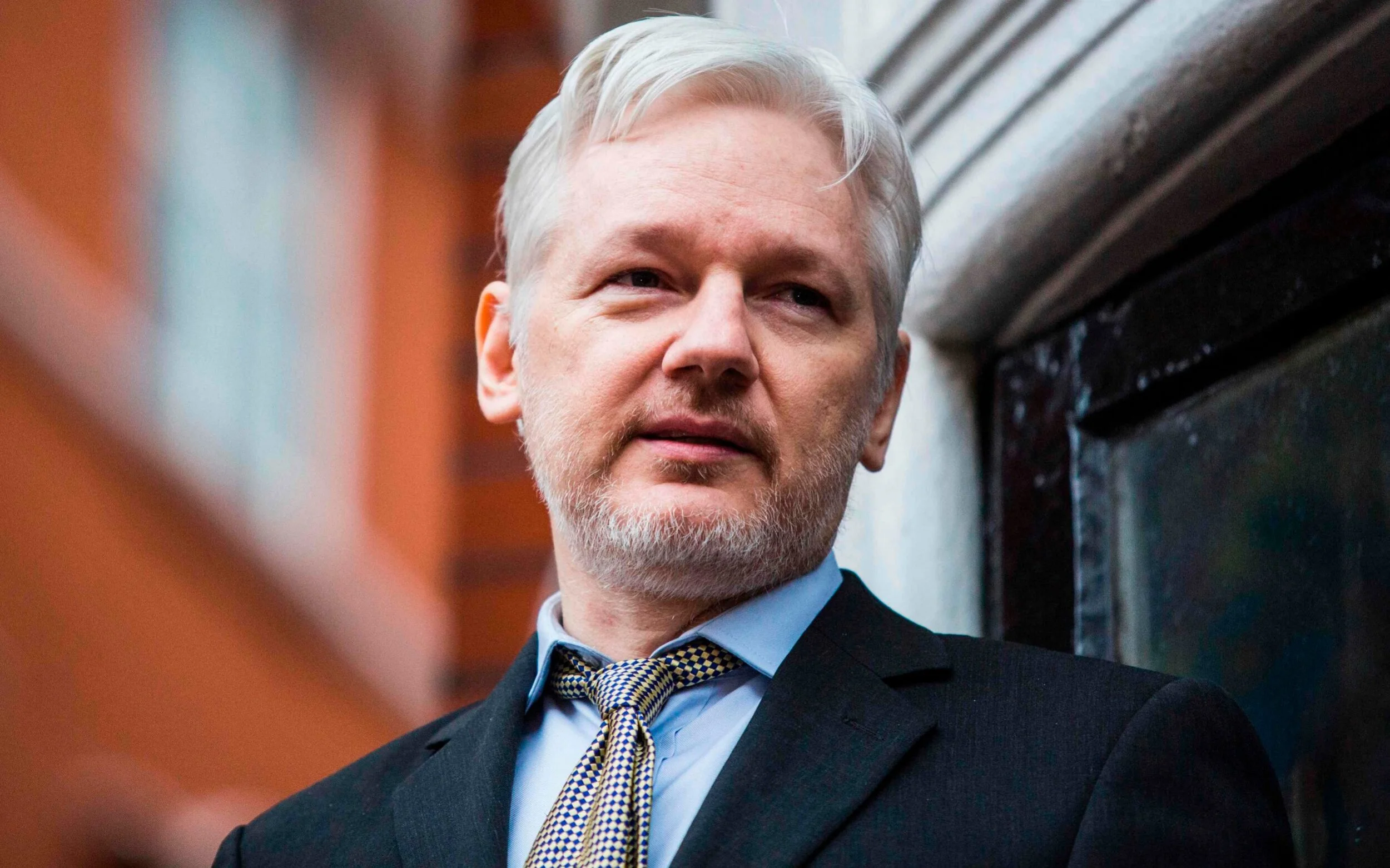
Australian MPs visit London in hopes of blocking Assange extradition
After nearly 10 years of uncertainty, the legal proceedings for Julian Assange’s extradition to the US are set to begin next week. Australia, however, wants his return to his native land.

Welsh Government rules parents no longer able to withdraw children from religious education
In January, the Welsh Government ruled that parents in Wales will no longer be able to withdraw their children from learning religious education (RE). Unsurprisingly, the announcement of the new compulsory curriculum has provoked conversation in relation to the enforcement of human rights.


January Opinion Article
An opinion by Sophia Gonella about whether the current political and economic commitments made to fight climate change are sufficient and realistic.


Illinois effects one of the strongest legal weed rollouts among US states to date
Illinois’ law legalizing the use of recreational marijuana came into force at the beginning of 2020. Three weeks in, analysts are calling it a major success.

France: a state of civil unrest
The French political system is in a state of paralysis. Macron’s proposed pension reforms have been met with fierce civil unrest. The strike has now entered into its second month, with little sign of slowing down, what must he do to restore stability in the capital?

Ethical veganism declared a philosophical belief
Following a tribunal hearing of the case of Casamitjana v League Against Cruel Sports, ethical veganism has been declared as a philosophical belief, which should be protected from discrimination under the Equality Act 2010.

The Gambia v Myanmar: contemporary genocide?
Following widespread persecution of the Rohingya in Myanmar, The Gambia has brought a case before the ICJ alleging that Myanmar is in breach of its obligations under the Genocide Convention.

December Opinion Article
AN OPINION BY MATTHEW CHAN ABOUT WHETHER VIOLENCE IS EVER JUSTIFIABLE IN A LEGAL SYSTEM, IN THE CONTEXT OF THE HONG KONG PROTESTS.

The Citizenship (Amendment) Act 2019
The Citizenship (Amendment) Bill 2019 raises several constitutional questions by making religion a criterion for granting citizenship to certain religious minorities from some of INdia’s neighbouring countries.

Legal intervention in the USA’s opioid crisis
Litigation relating to the USA’s opioid crisis continues in an attempt to hold pharmaceutical companies to account. In light of the recent case brought by the State of Arizona, it is crucial to consider the extent of the role played by courts in allotting culpability.