Periklis Agalopoulos explores the possibility of protecting AI-generated artwork under the Copyright Designs and Patents Act 1988.

Periklis Agalopoulos explores the possibility of protecting AI-generated artwork under the Copyright Designs and Patents Act 1988.
The UN estimates that since the start of Russia’s ongoing invasion of Ukraine, around 2 million Ukrainians have fled to seek refuge in other countries. Even though Boris Johnson expressed sympathy for Ukrainians and asserted that the UK is on their side, the country has taken a more restrictive approach, refusing to waive visa rules.
On Thursday morning, the armed forces of the Russian Federation entered Ukraine, starting the most significant armed conflict the world has seen since the beginning of the 21st century. Many legal implications have arisen and could potentially arise in the future as a result of this conflict, both in terms of national and international law, which this article will analyse.
At the end of January, the Prime Minister pledged a ‘Brexit Freedoms’ Bill to end the special status of EU law in the UK and make it easier to amend or remove EU law which was retained as part of the Withdrawal Agreement. This article will discuss the legal sector’s response to this news and what the effects of such a Bill might be.
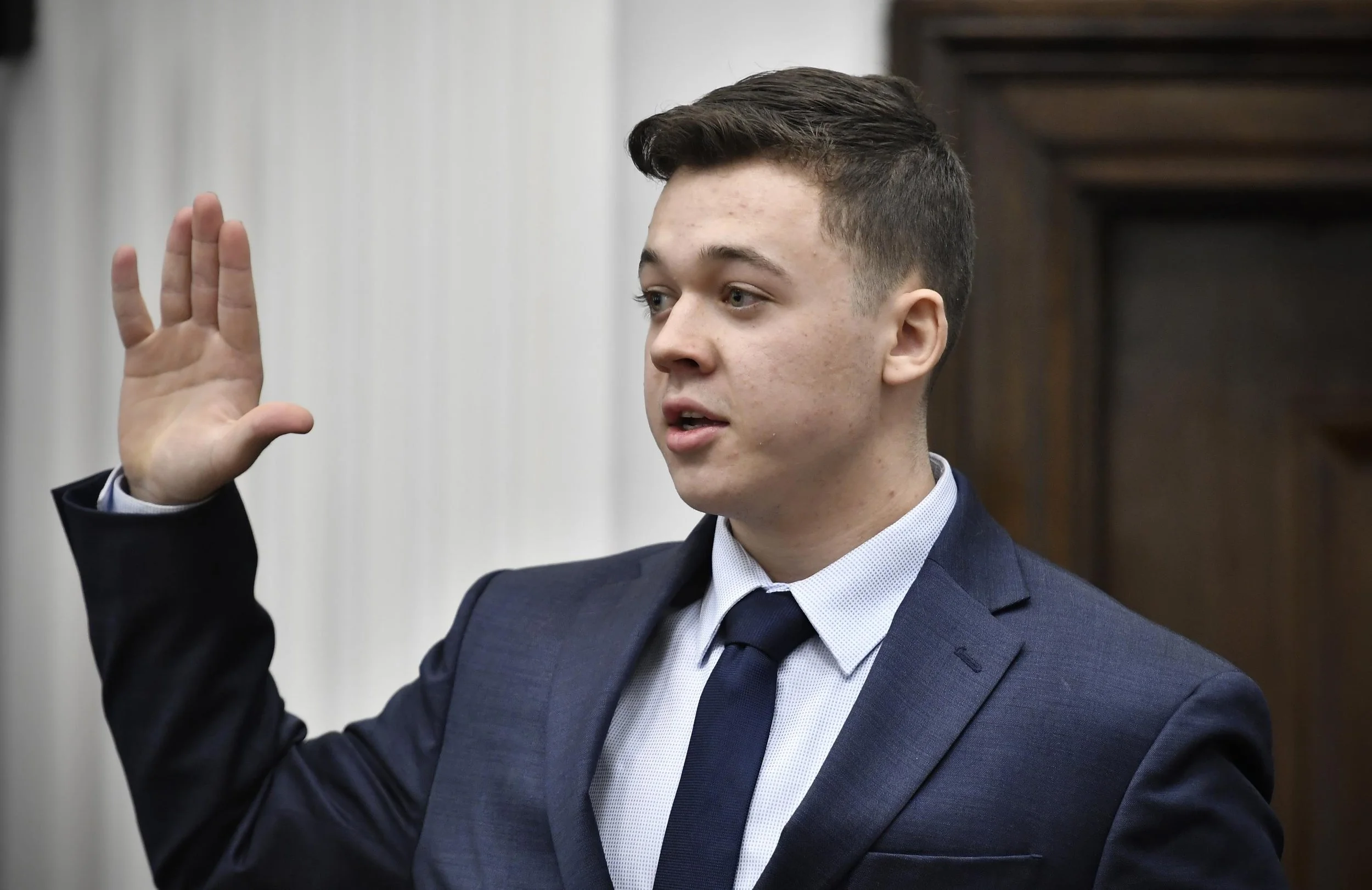
On 25th of August 2020, Kyle Rittenhouse ventured to Kenosha, Wisconsin to protect properties from being vandalised by protesters. In doing so, he shot and killed two men. His trial ended in acquittal owing to a variety of key factors. This article analyses these factors and the consequences of the judgment.
Michael Avenatti represented Stormy Daniels during her series of legal battles against Donald Trump. He had gained significant traction during that period as her lawyer and an outspoken critic of Trump. However, he utilised his position as Daniels’ lawyer to steal $300,000 from her. As a result, on the 5th of February 2022, a Manhattan federal court convicted Avenatti for wire fraud and aggravated identity theft.
According to supporters, non-fungible tokens (NFTs) are the future of collectible ownership. Nonetheless, many critics argue that NFTs are essentially valueless because they are so easily reproducible and smart contracts governing NFT transactions transfer only limited non-commercial rights. Therefore, this article will explore these implications and provide potential solutions accordingly.
Monday 24th January was supposed to see the start of the defamation trial, Sarah Palin v The New York Times Company. However, with Palin testing positive for COVID-19, the beginning of the trial has been postponed until 3rd February, on the proviso that Palin is asymptomatic or only has mild symptoms. The case was initially dismissed in 2017, however an appeals court has since overturned that decision and allowed the case to proceed.
World renowned tennis player has recently been deported from Australia owing to his unvaccinated status. Consequently, he will not be able to compete in the Australian Open tournament at which he could have made history by securing his 21st Grand Slam victory. As a result of this situation, various political and societal problems have arisen, which will be explored in this article.
According to The Times, ‘Downing Street is to begin a fresh war with judges over a plan to let ministers throw out any legal rulings they do not like’. The Bill has been termed the “Interpretation Bill” and would allow MPs to ‘strike out findings from judicial reviews with which the government does not agree’. Arguably, such a Bill would be a clear affront to fundamental constitutional principles governing the UK.
A survey published yesterday of UK law firm partners at firms with 50 or more lawyers revealed that almost a third of these firms are ‘actively considering’ an initial public offering within the next 18 months. This article examines why this may be, drawing attention to the opportunities for growth which the pandemic has presented. It then looks at DWF as an example of a previous law firm IPO and considers why some may view the practice as a dubious prospect.
While the COVID-19 outbreak has undoubtedly affected most average individuals through the restriction of movement and increased risk of illness and death, vulnerable groups such as refugees have arguably felt the brunt of the pandemic worldwide. The United Nations High Commissioner on Refugees (UNHCR) estimated that around 167 countries fully or partially closed their borders and among those, 57 did not make any exceptions for people seeking asylum. This is an infringement of the rights of refugees and asylum seekers.
There has been a notable increase in public concern over spiking in recent months, particularly with reference to reports of a new form of spiking- spiking by injection. This article demonstrates that the poisoning offences under the OAPA and s61 SOA criminalise a variety of activities that are typically classed as spiking. Neither offence specifies that the substance in question must be orally ingested, a spiking by injection is therefore likely to be applicable to the offences mentioned. A new offence specifically addressing injection spiking might not be strictly necessary to prosecute those who engage in the practice, but might be beneficial in the broader realm of the public perception of the severity of the issue.
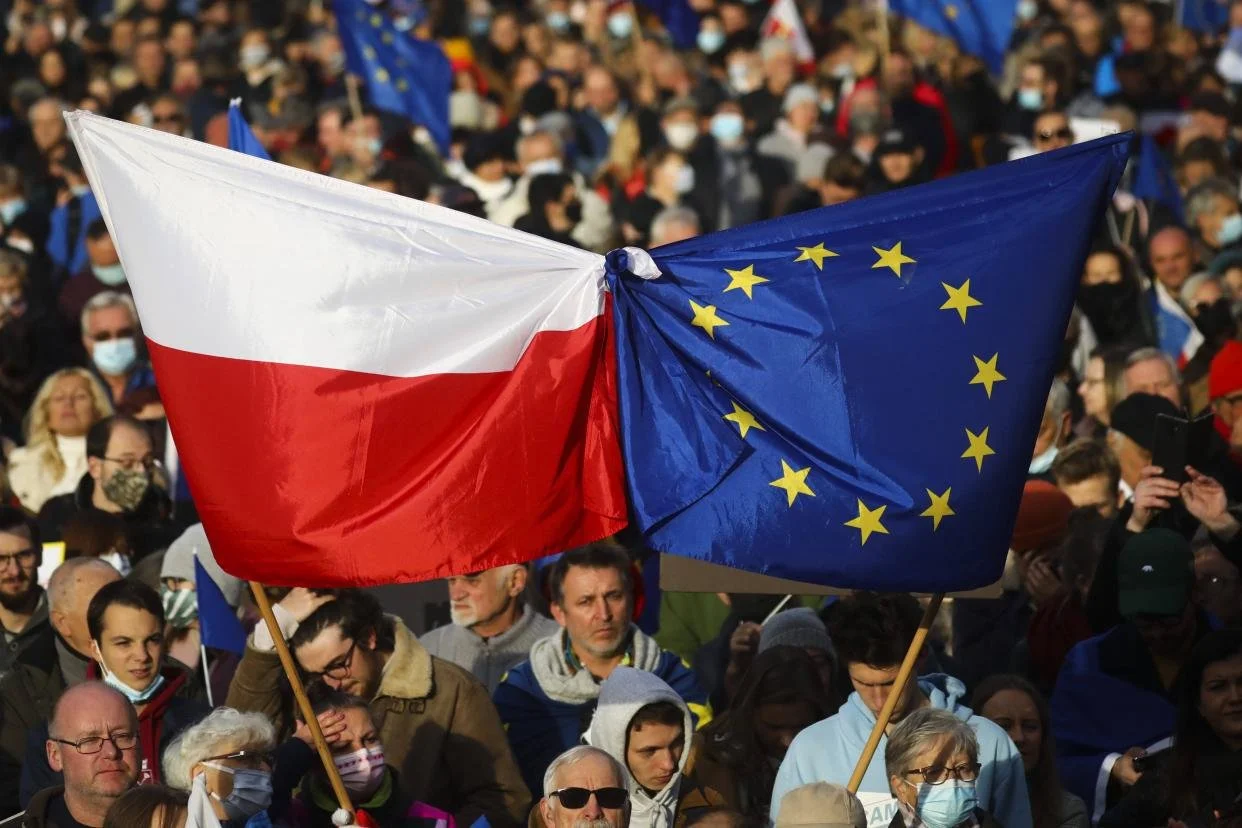
On the 7th of October 2021, the Polish Constitutional Tribunal declared that the Polish Constitution takes precedence over EU law. In response to a motion by the Prime Minister, Mateusz Morawiecki, the Court ruled that European regulations authorising national courts to bypass provisions of the constitution or adjudicate on the basis of annulled norms are inconsistent with the Polish Constitution. This article discusses the legal implications of this ruling for Poland and the supremacy of EU law.
Discussion on the ‘metaverse’ is buzzing again after Facebook’s rebranding pivot last Thursday, with both businesses and law firms offering their takes on the concept. This article first offers a summary of the metaverse, what form it may take, and how the discussion is affecting non-fungible tokens and cryptocurrencies. It then considers the legal implications the metaverse may have, particularly in the areas of privacy and intellectual property.
The UK is slated to hold COP26 in Glasgow from the 31st of October to the 12th of November 2021. The conference has been delayed from 2020 due to the COVID-19 pandemic but its importance has never been more emphasised. The upcoming COP26 is particularly important as research shows that global warming must be curbed at 1.5 degree Celsius for the goals set out by the Paris Agreement to be viable, hence it will be examined whether countries’ updated self-determined contributions are capable of doing so.
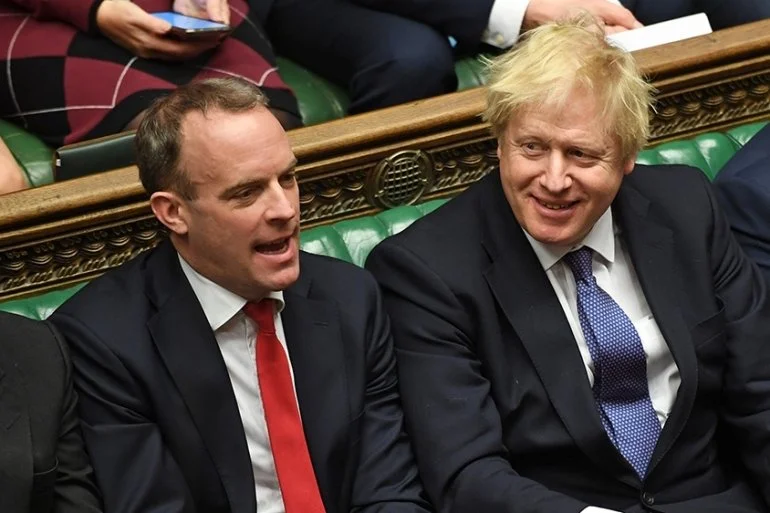
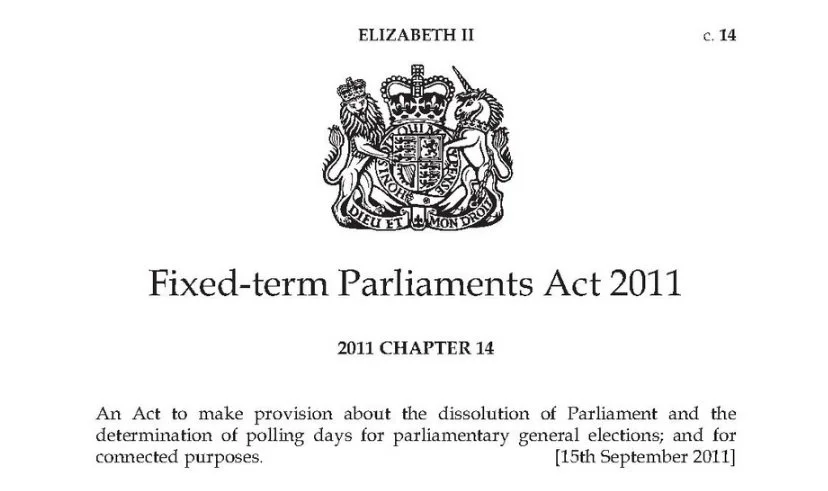
The Fixed-term Parliaments Act’s days are numbered, with a Government backed repeal and replace Bill having recently completed its first reading. This article seeks to assess the FTPA’s ‘central aim’ of preventing the sitting Government from calling a snap election, concluding that the Act is ineffective in this role.
After years of gruelling negotiations, 136 countries have agreed on a global minimum tax rate. The deal will ensure that multinational companies pay a minimum tax rate of 15%. Furthermore, to guarantee that taxes are being paid where they ought to be, the agreement will focus on making it harder for companies to avoid taxation.
In the recent case of Pakistan International Airline Corporation v Times Travel (UK) Ltd, the UK Supreme Court has ruled on the area of economic duress, bringing some needed clarification to the law.
Recently, Joe Biden has been elected 46th president of the United States of America in a landslide victory against former President Donald Trump. However, in proper Trump fashion, Biden’s victory has given rise to much political turmoil.